 PandaBro
Why Visit Tibet with PandaBro?
Tibet is unlike anywhere else on Earth. At 3,650 meters above sea level, Lhasa — the "Place of the Gods" — is a city of devout pilgrims, ancient monasteries, and a culture that has remained remarkably intact despite centuries of change. Traveling to Tibet requires special permits and careful planning, which is exactly why a private tour with experienced guides makes all the difference.
Potala Palace — The Icon of Tibet
The Potala Palace dominates Lhasa's skyline, rising 13 stories from Marpo Ri (Red Mountain). This UNESCO World Heritage Site was the winter residence of the Dalai Lamas for over 300 years. With 999 rooms, 200,000 statues, and countless murals, it's a treasure trove of Tibetan art and history. Our guides secure the limited daily tickets (only 3,000 visitors per day) and take you through the most significant halls.
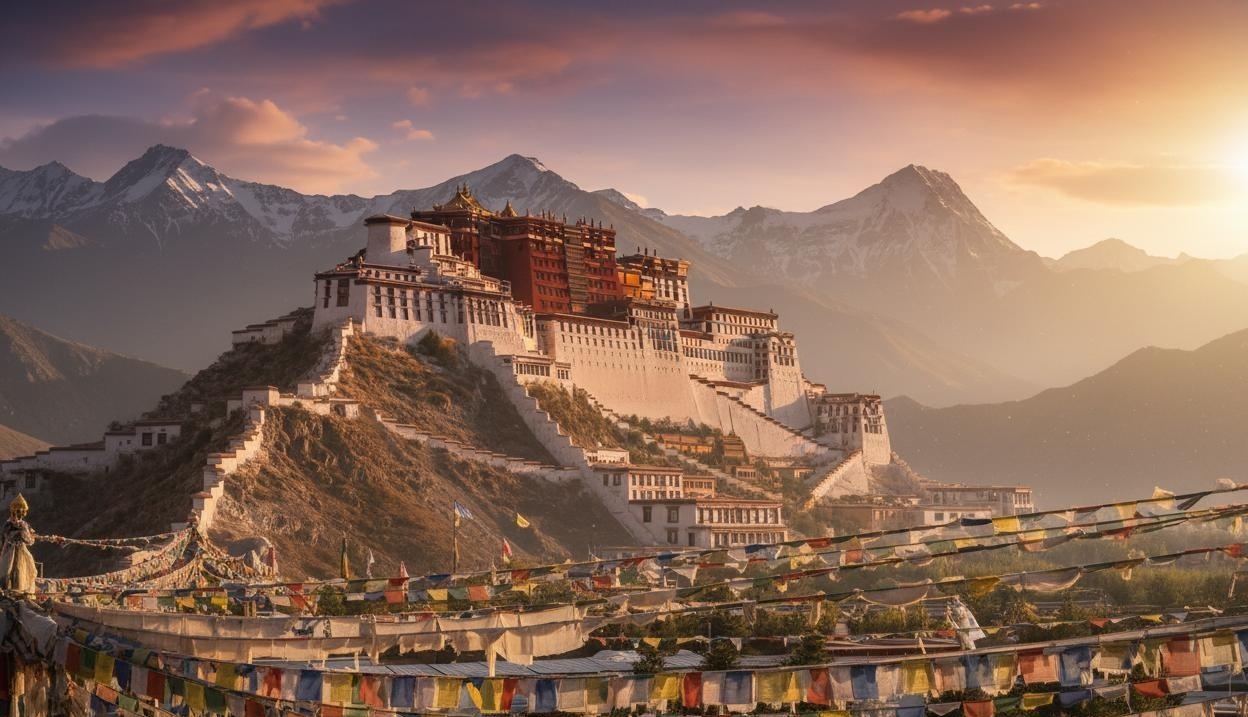
The magnificent Potala Palace — symbol of Tibetan Buddhism
Jokhang Temple & Barkhor Street
The Jokhang Temple is Tibet's most sacred site, drawing pilgrims from across the plateau who prostrate themselves along Barkhor Street. Walk the sacred circuit with our guides who explain the significance of each shrine and the stories behind the prayer flags and butter lamps.
Must-See Tibet Attractions
- Namtso Lake — One of the world's highest salt lakes (4,718m). The turquoise water against snow-capped mountains is unforgettable.
- Drepung Monastery — Once the world's largest monastery with 10,000 monks. Explore the ancient debating courtyard.
- Sera Monastery — Famous for the lively afternoon monk debates — a fascinating display of Buddhist philosophical tradition.
- Yamdrok Lake — A stunning turquoise lake en route to Everest. The viewpoint at Khamba La (4,794m) offers breathtaking panoramas.
- Everest Base Camp — Optional 4-day extension to see the world's highest peak from the Tibetan side. Stay at Rongbuk Monastery, the highest in the world.
Altitude & Health Considerations
Tibet's high altitude requires careful acclimatization. Our itineraries are designed with rest days in Lhasa before any high-altitude excursions. We provide oxygen cylinders in all vehicles and our guides are trained to recognize and respond to altitude sickness symptoms. Most travelers adjust well within 2-3 days.
Best Time to Visit Tibet
April–October is the travel season. May–June and September–October offer the clearest skies and best visibility for mountain views. July–August is the rainy season but showers are usually brief. Winter (November–March) is possible but very cold with fewer facilities open.